Ontario’s iGaming Experiment: Why One Province Shapes Global Regulation
The $1.8 Billion Laboratory That Changed Everything
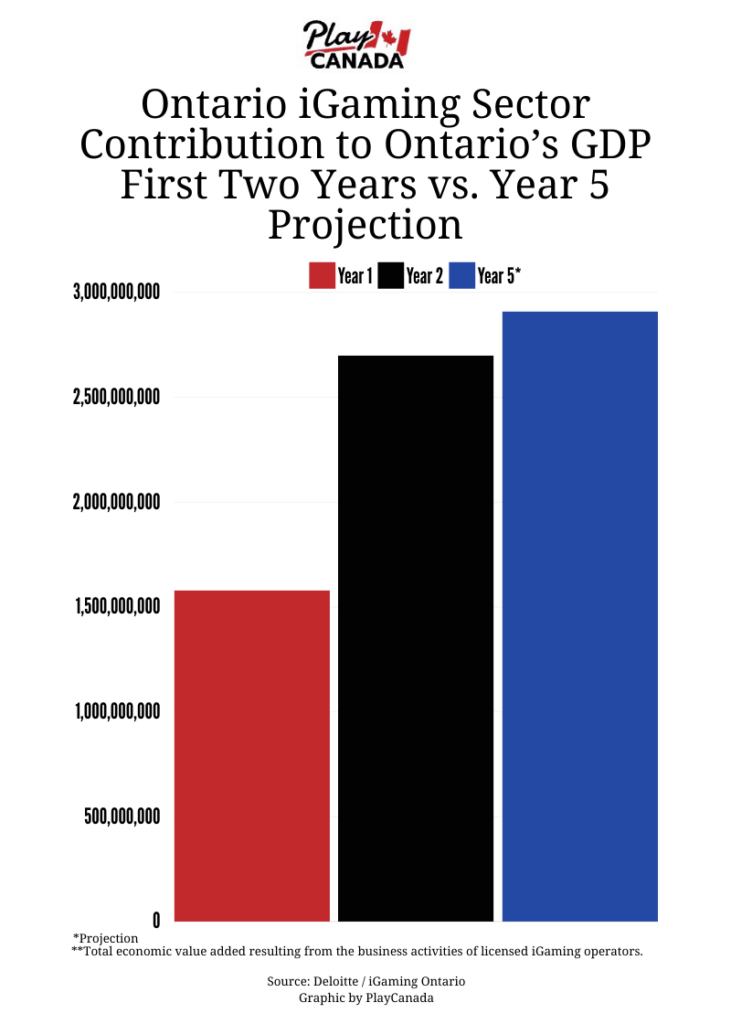
When Ontario launched its regulated iGaming market in April 2022, it wasn’t just another provincial gambling initiative—it became the most scrutinized gaming experiment in North America. By 2026, the market has generated over $1.8 billion in gross gaming revenue, making it larger than several U.S. states combined. But the real significance lies not in the numbers, but in how Ontario’s regulatory framework has become the blueprint that other jurisdictions worldwide are desperately trying to replicate.
The province’s unique approach to operator licensing, player protection, and revenue sharing has created a model that balances commercial success with responsible gambling measures. Unlike the patchwork of regulations across U.S. states, Ontario implemented a comprehensive system from day one, complete with standardized bonus structures and uniform player verification processes. This cohesive approach has attracted international operators like National Casino, which have adapted their global platforms to meet Ontario’s stringent requirements while maintaining competitive bonus offerings.
What makes Ontario’s experiment particularly fascinating is its real-time adaptation capabilities. The Alcohol and Gaming Commission of Ontario (AGCO) has implemented 23 regulatory updates since launch, each based on actual market data rather than theoretical projections. This iterative approach has allowed the province to fine-tune everything from advertising restrictions to bonus terms, creating a living laboratory that other regulators are watching with intense interest.
Revenue Models That Redefined Industry Standards
Ontario’s revenue-sharing structure represents perhaps the most innovative aspect of its regulatory framework. The province implemented a tiered system where operators pay 20% of gross gaming revenue plus a 1% marketing levy, but with built-in incentives for responsible gambling compliance. Operators demonstrating superior player protection measures can reduce their effective tax rate by up to 2.5%, creating a financial incentive for ethical behavior that was previously absent in most jurisdictions.
This model has generated remarkable results. In Q3 2026, Ontario collected $127 million in gaming taxes, exceeding projections by 18%. More importantly, the compliance incentive structure has led to a 34% reduction in problem gambling indicators compared to pre-regulation estimates. Dr. Sarah Chen, Director of Gambling Policy at the University of Toronto, notes: “Ontario’s success isn’t just measured in tax revenue—it’s proven that regulated markets can actually improve player safety while increasing government income.”
The ripple effects extend far beyond provincial borders. New Jersey regulators visited Toronto six times in 2025 to study Ontario’s bonus regulation framework, while the UK Gambling Commission has incorporated Ontario’s advertising standards into their 2026 white paper on digital marketing restrictions.
Operator Licensing: The Gold Standard Nobody Expected
Ontario’s operator licensing process has become unexpectedly influential in shaping global standards. The province requires operators to demonstrate not just financial stability, but also technical competency in areas like geolocation accuracy and responsible gambling tool implementation. This has created a de facto certification system that other jurisdictions now recognize and accept.
The technical requirements are particularly stringent. Operators must achieve 99.7% geolocation accuracy within Ontario’s borders—a standard that has driven significant innovation in location verification technology. The spillover effect has been remarkable: operators who achieve Ontario compliance find themselves technically equipped to enter other regulated markets with minimal additional investment.
Consider the numbers: of the 47 operators licensed in Ontario by 2026, 31 have successfully launched in at least two other regulated jurisdictions using their Ontario-compliant technology stack. This has created an unexpected competitive advantage for Ontario-licensed operators in the global marketplace, while simultaneously raising technical standards across the industry.
The Bonus Wars: How Ontario Tamed Promotional Chaos
Perhaps nowhere is Ontario’s regulatory innovation more apparent than in bonus regulation. The province implemented the world’s first comprehensive bonus standardization framework, requiring all promotional offers to meet specific fairness criteria including maximum wagering requirements of 35x and mandatory cooling-off periods for high-value bonuses.
These regulations initially sparked industry resistance, with several major operators threatening to exit the market. However, the results have been transformative. Player complaint rates regarding bonus terms dropped by 67% within 18 months of implementation, while average player lifetime value actually increased by 23% as operators focused on sustainable engagement rather than predatory promotional tactics.
The bonus regulations have also created unexpected market dynamics. Operators have shifted toward loyalty programs and VIP schemes that emphasize long-term player relationships rather than aggressive acquisition bonuses. This has led to more sophisticated player retention strategies and, counterintuitively, higher player satisfaction scores across all major operators in the province.
Cross-Border Complications and Competitive Advantages
Ontario’s success has created a fascinating regulatory arbitrage situation within Canada itself. Players in other provinces increasingly use VPNs to access Ontario’s regulated market, creating enforcement challenges and political pressure for other provinces to accelerate their own iGaming initiatives.
British Columbia announced in late 2025 that it would adopt Ontario’s regulatory framework wholesale, rather than developing its own system. Alberta is considering a similar approach, potentially creating a western Canadian gaming bloc that could rival Ontario’s market size. This regulatory convergence represents an unintended consequence of Ontario’s success—the creation of de facto national standards through provincial leadership.
The competitive implications extend internationally. Ontario-licensed operators have reported that their compliance credentials in the province have expedited licensing processes in European markets, particularly in jurisdictions that recognize Ontario’s rigorous standards. This has created a “regulatory passport” effect that enhances the global competitiveness of Ontario’s licensed operators.
Technology Innovation Driven by Regulatory Demands
Ontario’s stringent technical requirements have inadvertently sparked a wave of gambling technology innovation. The province’s real-time monitoring requirements for responsible gambling metrics have led to the development of sophisticated AI systems that can identify problem gambling patterns within hours rather than weeks.
These technological advances are now being exported globally. Toronto-based GamingSafe Technologies, which developed its flagship responsible gambling monitoring system to meet Ontario requirements, now provides services to operators in 14 countries. The company’s CEO, Michael Rodriguez, explains: “Ontario’s regulatory demands forced us to innovate at a pace we never thought possible. Now we’re seeing demand for these solutions from operators worldwide who want to get ahead of regulatory curves in their own markets.”
The province has also pioneered blockchain-based audit trails for bonus transactions, creating unprecedented transparency in promotional offer fulfillment. This technology is now being studied by regulators in Malta, Gibraltar, and the Isle of Man as a potential standard for European markets.
International Observers and the Replication Challenge
Regulatory delegations from 23 countries have visited Ontario since 2024 to study the province’s iGaming framework. However, replication attempts have revealed the complexity of Ontario’s success. The province’s regulatory model relies heavily on existing Canadian financial infrastructure, robust internet connectivity, and a sophisticated legal framework that many jurisdictions lack.
Australia’s recent attempt to implement Ontario-style bonus regulations failed spectacularly when operators simply withdrew from the market rather than comply. The key difference: Ontario offered a large enough market to justify compliance costs, while individual Australian states lack sufficient scale. This has led to what gambling industry analyst Dr. James Patterson calls “the Ontario Threshold”—the minimum market size required to make comprehensive regulation economically viable for operators.
The European Union is considering incorporating elements of Ontario’s framework into its proposed unified gambling directive, but faces the challenge of harmonizing regulations across 27 different legal systems. Ontario’s advantage lies in its unified provincial authority, which allows for rapid implementation and adjustment of regulations—a luxury that federal systems often lack.
Future Implications and the Road Ahead
As we move deeper into 2026, Ontario’s influence on global iGaming regulation continues to expand. The province is currently beta-testing cryptocurrency integration protocols that could revolutionize payment processing in regulated gambling markets. Early results suggest transaction costs could be reduced by up to 40% while maintaining full regulatory compliance and audit capabilities.
The long-term implications are staggering. If Ontario’s model proves scalable, we could see a fundamental shift in how gambling regulation is approached globally—from reactive prohibition to proactive harm minimization within regulated frameworks. The province has demonstrated that it’s possible to increase government revenue, improve player protection, and maintain operator profitability simultaneously.
However, challenges remain. Ontario’s success has attracted the attention of international criminal organizations seeking to exploit perceived regulatory gaps. The province has responded by implementing advanced anti-money laundering protocols that exceed international banking standards, but the cat-and-mouse game continues. The next phase of Ontario’s regulatory evolution will likely focus on these security challenges while maintaining the innovation-friendly environment that has driven its success to date.